
 Watch on YouTube
Premieres 21 October 2026 at 6pm UK time
Who's Tricking You? · Episode 2
Why does nothing cost a pound?
Why is it always 99p? Because your brain reads left to right, and stops early.
The left-digit effect, the till story nobody can prove, the catalogue test where $39 outsold $34, and why some restaurant menus drop the pound sign.
Watch on YouTube Follow on TikTok
Share this story
What the fox said
Why does nothing cost a pound? Why is it always ninety-nine p?
Because your brain reads left to right. And it stops early.
See nine ninety-nine, and the first thing you notice is the nine. It feels like nine pounds. Not ten.
Researchers call it the left-digit effect. One penny, doing an awful lot of work.
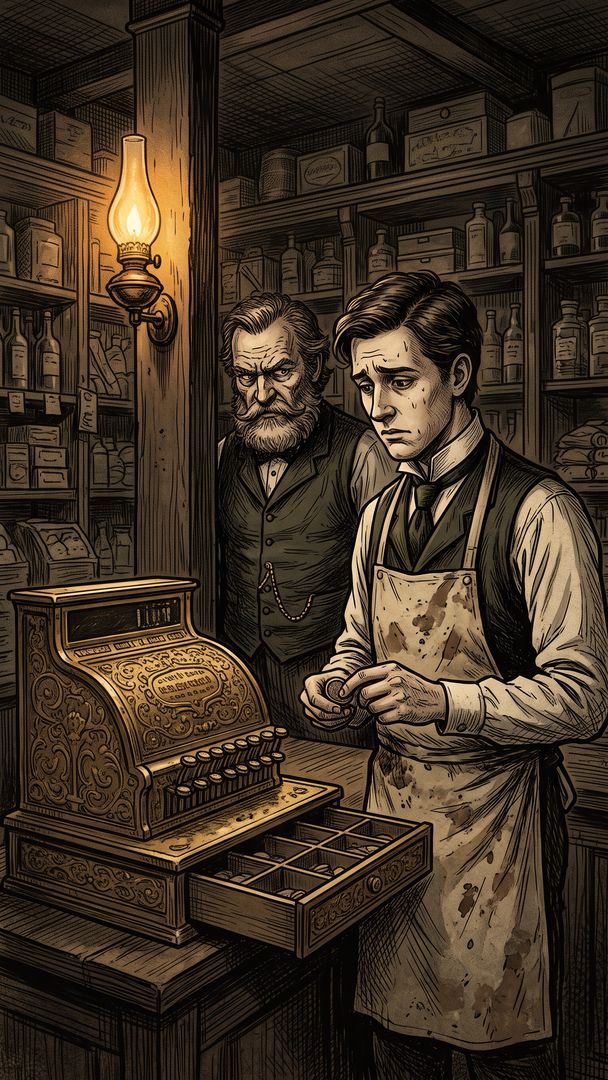
There's an old story it started so shop staff had to open the till for change, and couldn't pocket the cash. Nice story. Nobody can prove it.
What is proven is that it works.
In one famous test, a clothing catalogue sold the same clothes at different prices. At thirty-nine dollars, they outsold the cheaper thirty-four.
The nine said bargain louder than the lower price did.
Restaurants play it too. Some drop the pound sign from their menus entirely.
In one study, diners spent more when prices were plain numbers. No symbol reminding them it's money.
Round prices feel honest and premium. Nines feel like a deal, even when they aren't.
So next time something costs nine ninety-nine, call it ten, and ask who's counting on you not to. Keep your nose to the wind.
Sources
- Prices ending just below a round number can seem noticeably cheaper because shoppers pay most attention to the left-most digit, known as the left-digit effect (Thomas & Morwitz, 2005; widely replicated).
- In a field experiment with a women's clothing catalogue, items priced at $39 outsold the same items priced at $34 and at $44 (Anderson & Simester, 2003).
- Diners spent more when menu prices were shown without a currency sign (Yang, Kimes & Sessarego, Cornell University menu study, 2009).
Spotted a mistake? Tell us in the YouTube comments and we'll correct it.